
Yes, the end of the year is approaching, that’s a fact, but no, this isn’t one of those posts where I sum up the year behind us. I’d rather we asked ourselves: what do holidays actually mean to us, and how do we spend them?
Of course I adore the New Year and Christmas holidays, and since Sofia came along, I think I love them even more than before. Simply because we live in Germany, we get to actively take part in, or at least watch, how Germans celebrate the holidays that matter to them, and Christmas is definitely the one they make the biggest deal of.
Since we live in another country, and therefore in another culture, there’s no way (nor do we want one) to shut ourselves off from everything going on around us.
So in a way, we celebrate two Christmases too (“theirs and ours”, although if you ask me, I see no reason to celebrate what is essentially one holiday twice, on two different dates, but that’s a topic for another day).
German tradition is such that the holidays are already in the air by the end of November. There are the Christmas markets (back home we’d call them fairs, but it’s really not the same thing), and you can smell mulled wine, roasted almonds with all kinds of coatings, punch and cookies in the air.
Cities get decorated, and so do people’s homes (inside and out). And it’s completely impossible to stay immune to the whole atmosphere and be cynical: “No, this isn’t our Christmas, so we’ll just ignore all of it.”
No, we don’t celebrate “their” Christmas the same way as “ours”, but since our child is growing up here with the other German kids, of course she takes part in everything they do, so this year she was especially looking forward to Nikolaus (back home, that would be St. Nicholas or Grandfather Frost). Of course she knows about Grandfather Frost too, and she’s waiting for Božić Bata, our own Christmas gift-bringer, but she was excited about Nikolaus as well.
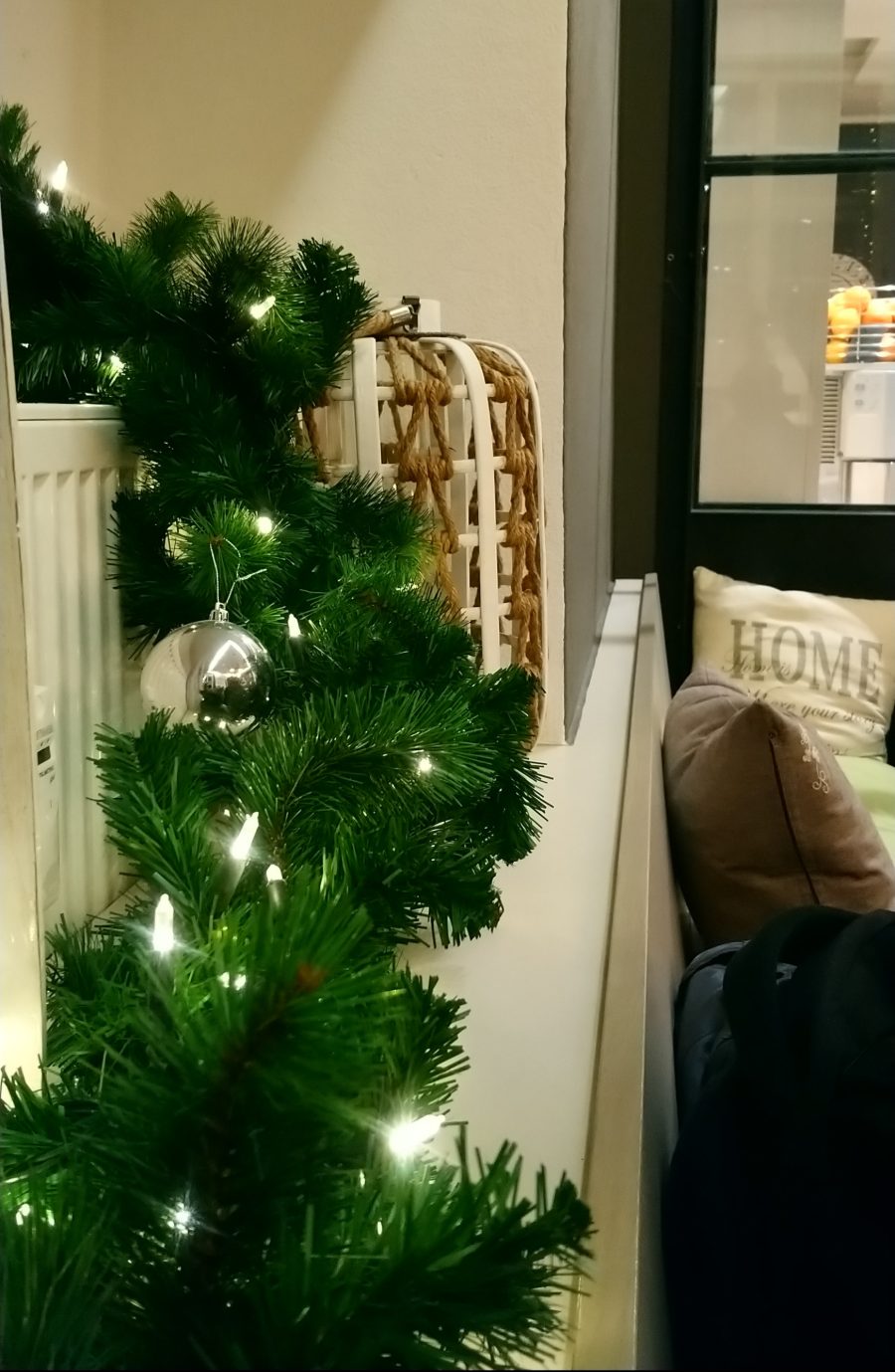
Some would say that’s too much celebrating for such a short stretch of time, and I wouldn’t argue with that. But I keep asking myself, quite seriously: what do holidays actually mean to us? Is it the time when we spend money with no brakes on all sorts of presents and far too much food, food we could realistically eat over a whole week, but we stuff it into our stomachs in a single day, because it’s a holiday, right?
I don’t know about you, but to me a holiday is a day off, when I decide not to work at all and to spend real time with my family instead.
Germans Don’t Text Back on Christmas
What I noticed especially this year is the way Germans see the holidays. Yes, they buy presents in huge amounts.
Yes, they cook.
Yes, they spend time with family first and foremost, and sometimes with friends. But no, they don’t send messages to everyone in their contacts, not on Facebook, not on Viber (mostly because they don’t even use Viber; for them it’s WhatsApp).
They truly spend the holidays with the people who are in the same room with them that day.
Everyone on Their Screens, No One at the Table
In the Balkans, it has somehow become the norm that what matters most is who congratulated you by text or left you a comment on social media, so apart from the time at the table, where we eat without limits, most of the time goes into replying to messages right away, because imagine what would happen if you didn’t.
As a result, everyone ends up looking at the little screens in front of them more than actually spending time with the people who are there.
No, it’s not enough to be there just physically; you have to be there in spirit too, completely.
It’s really lovely when lots of people think of you on a holiday, and you should reply or send your wishes back, but it doesn’t have to be right here, right now!
We didn’t celebrate Catholic Christmas at home, but we did send messages to all our German friends to wish them a happy holiday. And imagine this: no one, and I mean NO ONE, replied on Christmas Day itself, only a day, two or three later. And no, we weren’t offended or upset. If anything, it made us think…
Actually, it fits the picture of Germans perfectly. Because they’re the ones who, when they finish work for the day and go home, don’t check their emails or sit tired in front of the TV, but do something together with their families or friends.
For them, the weekend is for rest, especially Sunday, when nothing, and I mean NOTHING, is open: no shops, no kiosks (which they hardly have anyway).
On holidays, too, nothing is open anywhere, because a HOLIDAY is for everyone, not more for some and less for others. Whatever you need to buy, you buy by 8 p.m. on weekdays and Saturdays, and then everything closes, because everyone has a right to their own time, to rest and to enjoy themselves.
And why should we be any worse than them, or the other way round? In fact, we should learn the good things from each other!
Put the Phone Down
So next time you celebrate, put your phones far out of sight and talk to the people sitting next to you, because they are the ones who matter most. They’re the ones you should wish well properly and give your full attention to.
Everyone else can wait until tomorrow, which doesn’t mean they matter less. Believe me, only then will you feel the real magic of the holidays and remember that they’re there so you can relax with exactly the people you love most.
Happy holidays (whenever and whatever you celebrate), from your


Leave A Comment